Home Window Repair: Practical Guide
By
Amelia
Published
January 20, 2026
Time
5 min read
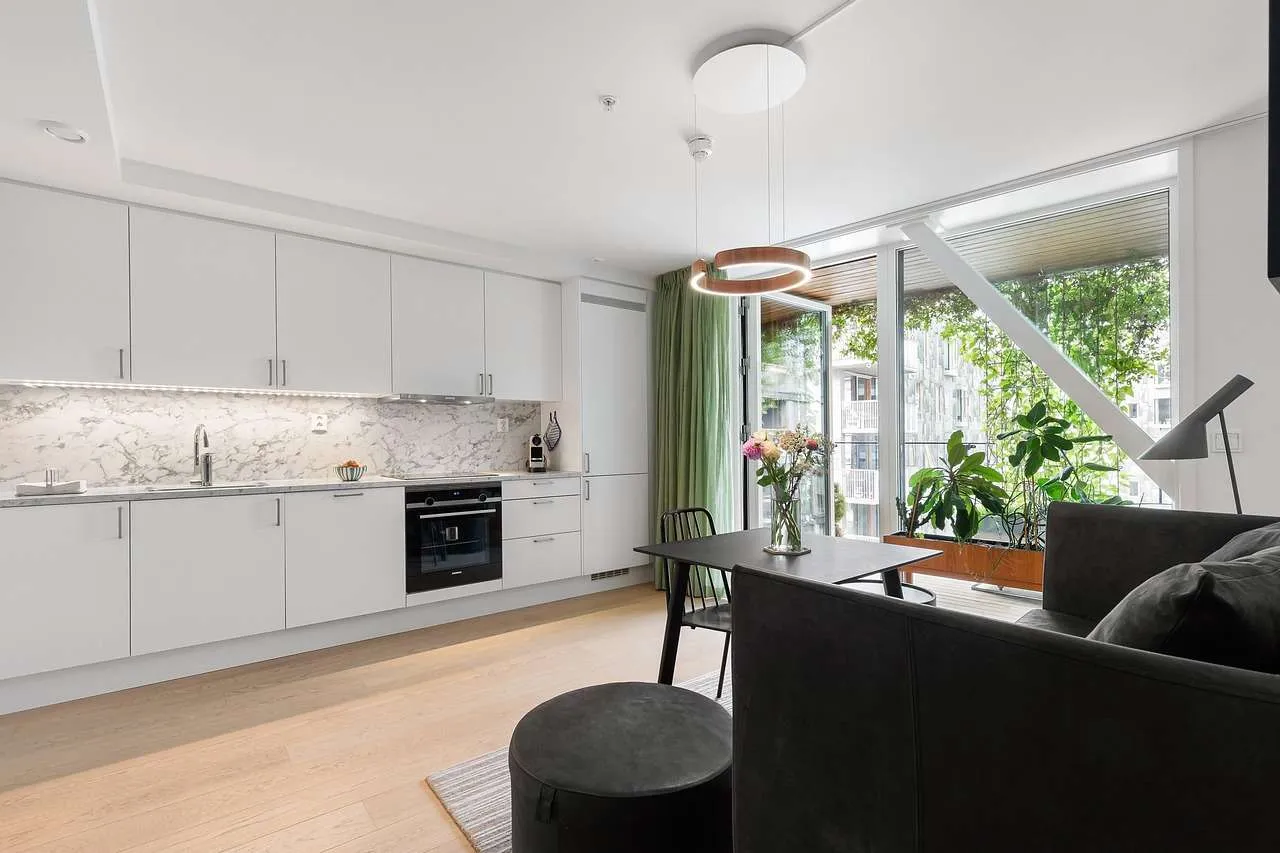
Home window repair is the process of restoring function, energy efficiency, and appearance to existing windows without complete replacement. This article offers practical advice for homeowners, explains common problems, outlines DIY steps, and explains when to hire a professional. The goal is to deliver a trusted resource that supports safe, informed decisions and aligns with EEAT principles for expertise, authoritativeness, and trust.
Why repair matters
Repairing rather than replacing can save money, reduce waste, and improve energy efficiency. A well-maintained window seals drafts, minimizes heat loss, and helps protect interior finishes from condensation damage. Proper repairs also preserve historical or architectural details that contribute to home value. Before deciding on replacement, assess the extent of damage, the window type, and the condition of the frame, sash, and glazing.
When to repair vs replace
Not every window needs repair. Consider repair if:
- There are minor air leaks or drafts that can be sealed
- Glazing is intact but foggy between panes due to a failed seal
- Hinges, locks, or balance mechanisms are worn but functional with adjustment
- Wood or vinyl frames show limited rot or deterioration that can be patched
Consider replacement if:
- Water intrusion is persistent and structural
- Multiple panes are cracked or the sash is warped beyond repair
- Hardware is obsolete and not serviceable
- Energy performance is severely compromised and repair is unlikely to restore efficiency
Common issues and fixes
Cracked glazing or broken seals
Repair approach ranges from resealing to re-glazing the pane. For single-pane units, replacing the glass might be the simplest and most cost-effective solution. For insulated glazing, a professional may need to replace the sash or seal to restore energy performance.
Sticking or difficult operation
Sticking sashes or misaligned tracks often respond to lubrication, weatherstripping replacement, or roller/balance adjustments. Avoid forcing the window, which can cause frame damage. Proper balancing restores smooth operation and prolongs hardware life.
Drafts and air leaks
Weatherstripping, weather seals, and caulking are common fixes. Ensure the seal is continuous around the sash and that the gasket material remains pliable. Poorly sealed windows can dramatically impact heating and cooling costs.
Rot, deterioration, or damaged frames
Wood frames with rot require patching or re-siding; in severe cases, replacement of the frame or entire unit may be necessary. Aluminum and vinyl frames can bend or corrode; minor corrosion or surface damage can be cleaned and treated, but structural damage may require professional repair or replacement.
Broken hardware or failed weatherstripping
Hardware such as hinges, locks, and balances can be replaced individually. Weatherstripping should be inspected and replaced if it no longer seals effectively. These components often determine how securely a window operates and how well it insulates.
DIY vs Professional: how to repair
Deciding between DIY and hiring a professional depends on your skill level, tool access, and the window type. Simple tasks such as weatherstripping, adjusting a sash, or replacing a worn hinge can be tackled safely by confident homeowners. More complex issues, like glass replacement for insulated units, rot repair, or structural frame work, benefit from a licensed professional to ensure safety, proper insulation, and warranty coverage.
DIY repair steps (general)
- Inspect the window to identify the root cause (draft, stiffness, moisture, or damage).
- Gather basic tools: putty knife, caulk gun, screwdriver, utility knife, chisel, and protective equipment.
- Remove and inspect the sash or hardware; replace worn weatherstripping or damaged hardware.
- Apply sealant or weatherproof caulk where gaps exist; reseal glazing if needed.
- Test operation, adjust balance or hinges, and re-insulate surrounding areas.
Safety considerations
- Wear safety glasses when handling glass and cutting glazing materials.
- Use ladders safely and have a partner when working at height on upper levels.
- Avoid attempting structural frame repair without training.
Costs and timing
Costs vary by window type, extent of damage, glass size, and regional labor rates. Minor fixes such as weatherstripping or hinge replacement typically cost less than a full sash or glazing replacement. Insulated units and frame repairs can significantly increase price and time. Expect longer timelines for custom or historic windows and when ordering replacement glass or parts.
Choosing a window repair professional
When professional help is needed, look for licensed, insured contractors with specialization in residential windows. Request references, review before-and-after photos, and verify warranties. Ask about eco-friendly materials, energy efficiency improvements, and compatibility with your window type (vinyl, wood, aluminum, or composite). A reputable pro will provide a written assessment, a clear scope of work, and transparent pricing.
Maintenance tips to extend window life
Regular cleaning and lubrication of tracks, hinges, and hardware reduce wear. Refinish wood frames every few years and check for signs of moisture around sills. Keep the area around windows dry to prevent rot and mold, address condensation promptly, and replace weatherstripping as needed to sustain energy efficiency.
DIY vs Professional: quick comparison
| Aspect | DIY | Professional |
|---|---|---|
| Safety risk | Low for simple tasks; high for glazing or heavy lifting | Low to moderate depending on task |
| Cost | Lower for simple fixes | Higher but includes parts, labor, and warranty |
| Time | Faster for small tasks | Longer but thorough and guaranteed |
| Quality | Excellent for minor repairs | Higher for complex issues and insulation |
| Best use | Weatherstripping, minor hardware, adjustable sash | Glass replacement, rot repair, frame reinforcement, insulation upgrades |
Conclusion, this guide outlined when to repair, how to tackle common issues, the considerations for DIY versus professional help, and maintenance steps to extend window life. By prioritizing safety, energy efficiency, and quality workmanship, homeowners can achieve reliable performance from existing windows while preserving the character and value of their home.